Robotics and Physical Computing
The combination of programming, electronics, sensors, mechanical components and physical interaction.
Overview
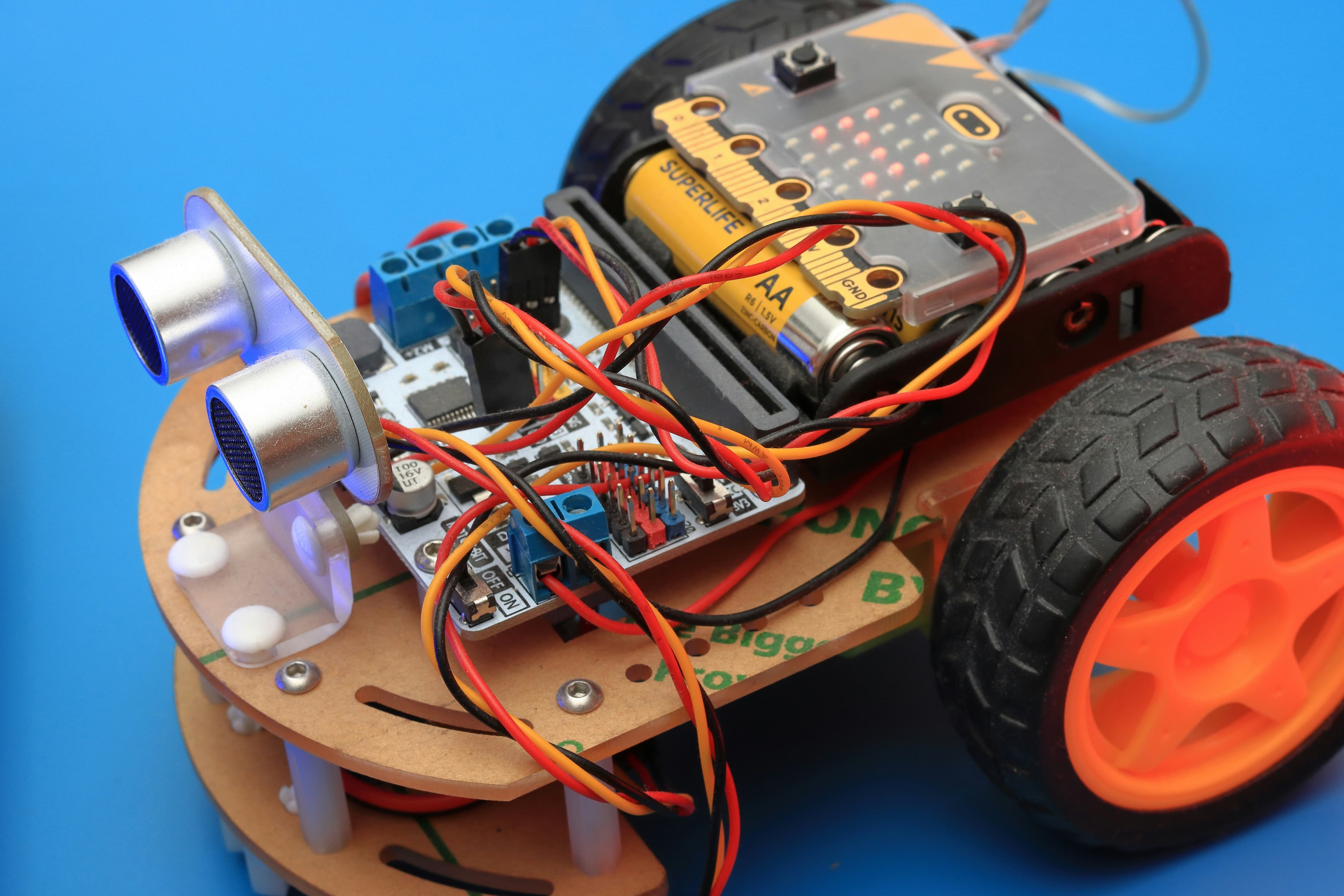
Robotics and Physical Computing brings several disciplines together in one activity. A robotics project may involve writing code, designing circuits, working with microcontrollers, assembling mechanical parts and, where appropriate, applying artificial intelligence. The approach is platform independent: specific hardware is chosen to suit the learning goal rather than the other way round.
Why It Matters
Robotics makes technology tangible. Learners can see, test and adjust the result of their work directly, which builds confidence and makes abstract concepts concrete.
Core Concepts and Skills
The ideas learners work with in this area, and the practical abilities they develop by using them.
Key Concepts
Skills You Can Develop
- Integrating code, circuits and mechanics into one working system
- Designing, building and iterating on physical prototypes
- Working to real constraints of time, parts and materials
- Troubleshooting systems where hardware and software can both be at fault
- Demonstrating and explaining a working robot to an audience
Representative Learning Pathways
These are examples of subjects and skills within this technology area. Not every pathway is offered in every engagement; scope depends on the learners, timetable and program agreed.
Educational robotics
Structured projects that introduce how robots sense, decide and act.
Robotic cars and line-following systems
Building vehicles that follow a path using sensors and control logic.
Object-detection projects
Systems that identify and respond to objects in their environment.
Sensor-based and automation projects
Automated systems that respond to light, distance, movement or other inputs.
Prototyping and testing robotic systems
Assembling, testing, troubleshooting and improving working prototypes.
Practical robotics challenges
Time-bound challenges that combine design, coding and engineering under real constraints.
Practical Activities
Who It Is For
- Learners who enjoy building and testing physical systems
- Robotics clubs and teams strengthening their engineering practice
- Schools combining coding and electronics into integrated, motivating projects
Engagement Opportunities
Offered through clubs, workshops, school partnerships and project work, scaled to the equipment and time available.
How It Connects
Robotics depends on Coding for control logic and on Electronics for hardware, and can incorporate AI where systems need to recognize, classify or make decisions.
Coding and Computational Thinking
Programming, software creation, computational thinking, logical reasoning and problem-solving.
Explore this areaElectronics and Embedded Systems
Electronic components, circuits, microcontrollers, sensors and the link between software and physical hardware.
Explore this areaAI and Intelligent Systems
Artificial intelligence concepts and systems that process information, identify patterns and support intelligent applications.
Explore this areaExplore this technology area with us
Whether you are a school, an institution or a learner, we can discuss how this area fits your context and goals.
Discuss an Engagement