Our Technology Areas
We work across four core technology areas to create practical, hands-on learning experiences.
Coding & Computational Thinking
Develop programming and computational problem-solving capability.
Overview
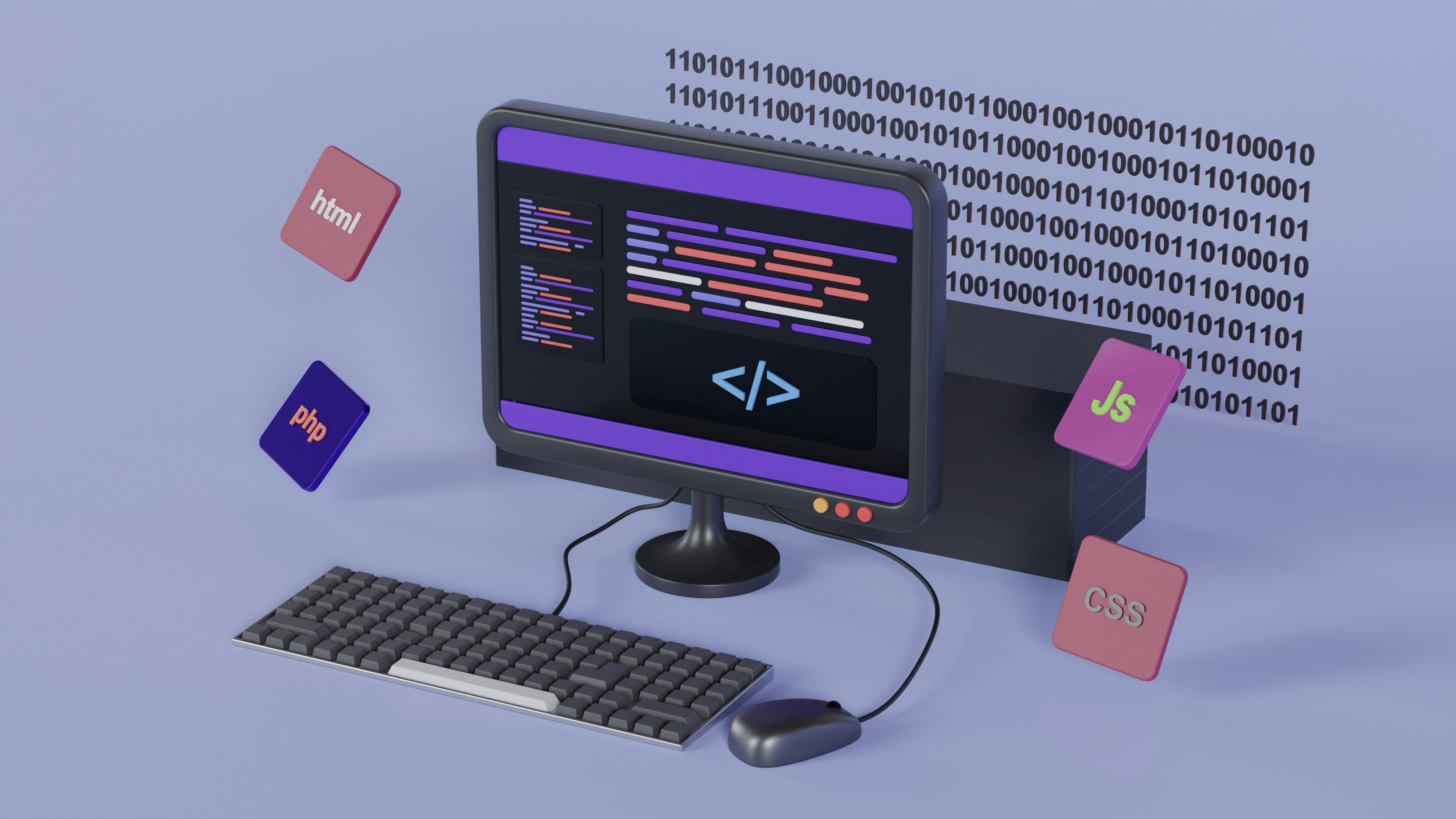
We develop programming and computational problem solving capability. This includes understanding how software is designed, how instructions and logic work, how problems can be broken into computational steps, and how programming can be used to create useful systems. Depending on context, activities may include programming foundations, Python, web development, software development concepts and practical computational projects.
What It Includes
Who It Is For
Learners, educators, institutions, and organizations who want to build practical coding and computational thinking skills.
How It Works
We use a practical, hands-on approach. Learners work on real projects, solve problems, and build software that works. The focus is on understanding concepts and applying them to create useful systems.
Connections
Coding is the foundation for Robotics (controlling physical systems), Electronics (embedded programming), and AI (building intelligent systems).
Robotics & Physical Computing
Explore how software and physical systems work together. Understand sensors, actuators, control systems, and automation.
Overview
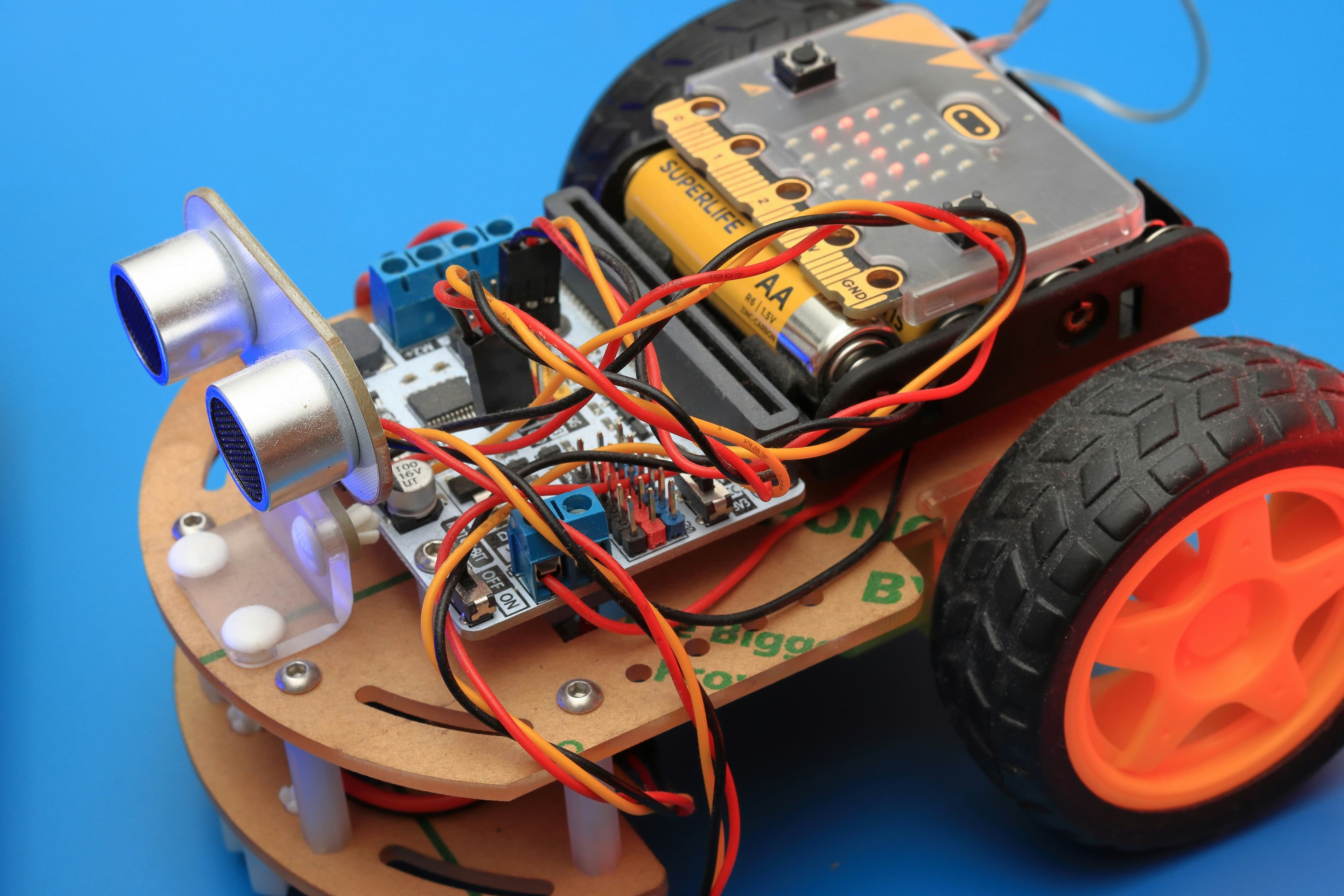
We help learners and institutions understand how software and physical systems can work together. Robotics and physical computing involve sensors, actuators, control systems, microcontrollers, automation and interactive devices. Our approach is platform independent. Arduino may be used where appropriate, but robotics and physical computing are broader than any single hardware platform.
What It Includes
Who It Is For
Learners, educators, institutions, and organizations interested in building physical systems that respond to the world.
How It Works
We use a practical, hands-on approach. Learners build robots, automate processes, and create interactive devices. The focus is on understanding how hardware and software work together to solve real problems.
Connections
Robotics connects to Coding (programming robots), Electronics (circuit design), and AI (intelligent behavior).
Electronics & Embedded Systems
Understand the electronic and embedded foundations that make physical technology systems possible.
Overview
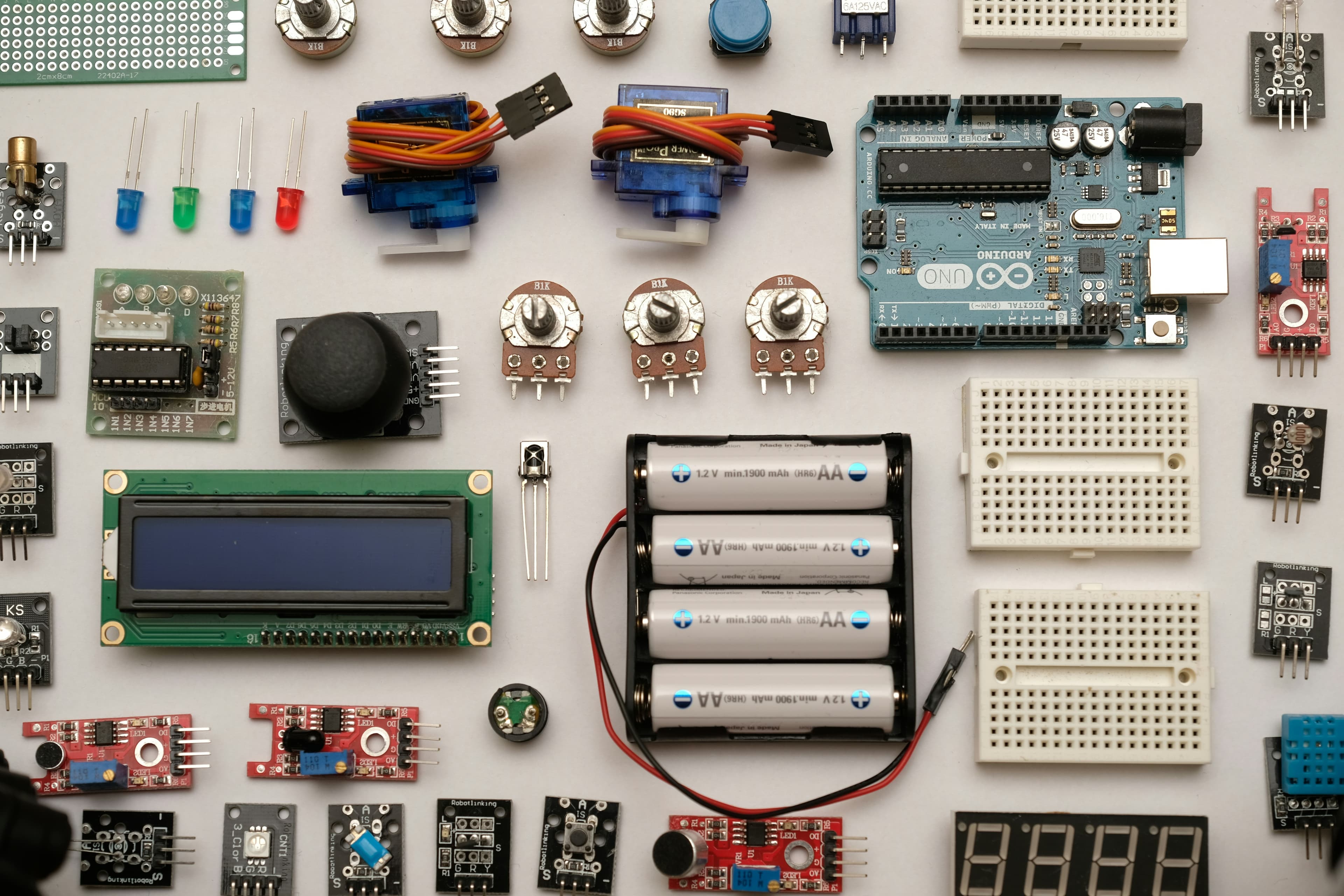
We explore the electronic and embedded foundations that make physical technology systems possible. This includes circuits, electronic components, microcontrollers, embedded programming and the relationship between hardware and software. The emphasis is on understanding through practical work rather than treating electronics as purely theoretical.
What It Includes
Who It Is For
Learners, educators, institutions, and organizations interested in the hardware foundations of technology.
How It Works
We use a practical, hands-on approach. Learners build circuits, program microcontrollers, and understand how hardware and software interact. The focus is on building a deep understanding of electronics through experimentation.
Connections
Electronics connects to Robotics (physical systems), Coding (embedded programming), and AI (intelligent sensors).
AI & Intelligent Systems
Introduce and develop understanding of AI and intelligent systems, including data-driven systems, automation, and AI-enabled solutions.
Overview
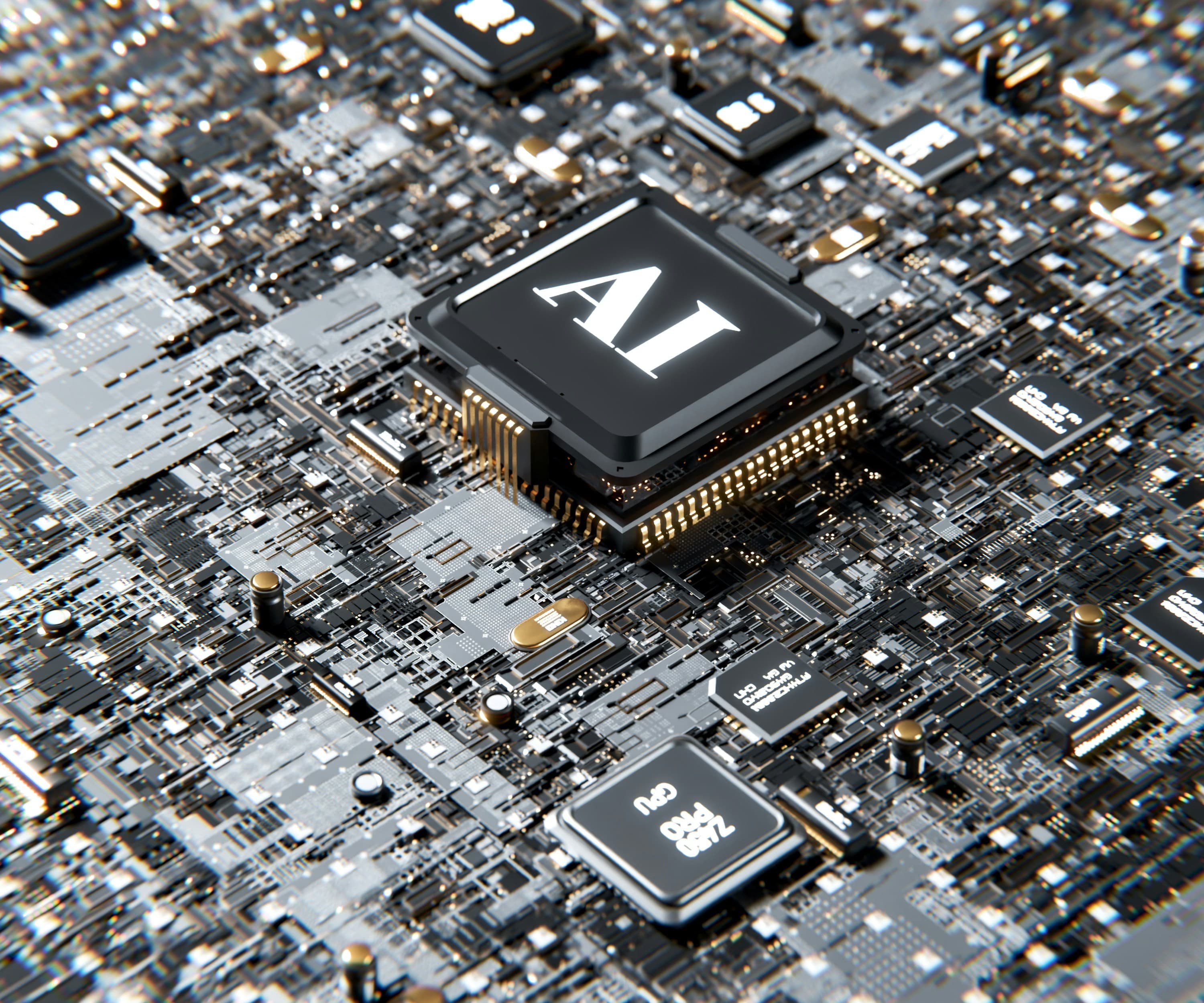
We introduce and develop understanding of artificial intelligence and intelligent systems, including data driven systems, perception, automation, machine learning applications and AI enabled solutions. AI work is approached in relation to practical use and problem solving rather than as a collection of abstract technology terms.
What It Includes
Who It Is For
Learners, educators, institutions, and organizations interested in understanding and applying AI concepts.
How It Works
We use a practical, problem-solving approach. Learners explore AI concepts through real-world examples and hands-on experiments. The focus is on understanding how AI works and how it can be applied to solve problems.
Connections
AI connects to Coding (building intelligent systems), Robotics (autonomous behavior), and Electronics (smart sensors).
Foundational Technology Learning
Foundational Technology Learning supports entry into our core areas. It is the foundation that makes the core areas accessible to learners at every level.
Ready to explore a technology area?
Whether you're a school, institution, or learner — we can help you get started.
Contact Us